


BioCatch reported a 146% rise in text-message scams targeting Indian banks, alongside a broader shift in fraud activity toward mobile devices.
Mobile fraud sessions rose 67% overall, with iOS sessions up 86% and Android sessions up 35%. Over the same period, web browser-based fraud sessions fell 10%, suggesting attackers are focusing more on phones than desktops.
The report also showed a shift in the speed and value of attacks. Risky payment sessions doubled, the median transfer value per fraud session rose 1.7 times, and the total value of attempted fraud payments increased 35%.
At the same time, fraud interactions became shorter. Average call length fell 31%, while median fraud session length dropped 32%, suggesting criminals are moving victims through scams more quickly.
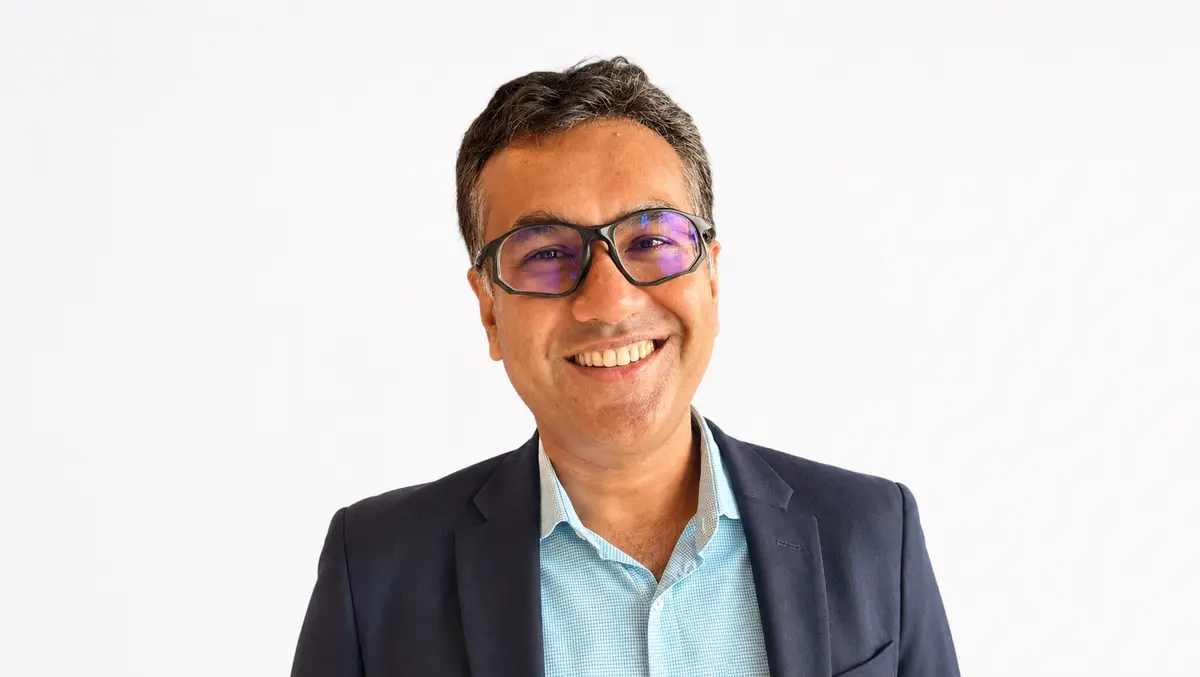
Tom Peacock, director of global fraud intelligence at BioCatch, said the rise in SMS fraud reflects the effectiveness of messages that appear to come through familiar channels.
"SMS scams are particularly effective because they exploit trusted communication channels, making fraudulent messages appear legitimate and prompting customers to act before they stop to question what they're seeing," Peacock said.
His comments come as India's digital payments market continues to expand through mobile banking, Unified Payments Interface transactions, eCommerce, and online investment services. That rapid shift has widened the range of channels fraudsters can target, especially as consumers carry out more financial activity on smartphones.
Despite the rise in mobile-led attacks and the higher value of attempted fraud, BioCatch said its customers recorded a 12% decline in attempted fraud sessions overall. That suggests banks may be stopping more incidents earlier even as criminals refine their methods.
Mule networks
The report also highlighted the scale of money mule activity in India. Investigators detected more than 8.5 lakh, or 850,000, mule accounts across more than 700 branches at multiple Indian banks in 2025.
Those figures sit alongside broader fraud data from India showing cyber-fraud complaints worth INR ₹22,496 crore in 2025 and 26.48 lakh mule cases. According to figures cited in the report, INR ₹9,055 crore was blocked through the suspect registry.
The size of the mule network matters because these accounts allow criminals to move funds quickly and make recovery harder. Once money passes through multiple accounts, banks and investigators have less time to trace transfers and freeze proceeds.
BioCatch's findings suggest this infrastructure is becoming more important as scams grow faster and more automated. Shorter calls, shorter sessions, and larger transfer amounts point to fraud operations designed to reduce hesitation and complete transactions before warnings or manual checks can interrupt the process.
Peacock said the pattern shows fraud groups becoming more efficient in how they approach victims and move money.
"The combination of higher-value fraud attempts and shorter calls and sessions tells us attackers are becoming far more efficient. Scams are increasingly refined, with criminals using well-rehearsed social engineering and automated techniques to persuade victims and move money before warning signs appear," he said.
Bank response
The findings also point to a more coordinated response from parts of the banking system and public authorities. Cooperation among banks, the Reserve Bank of India, the Indian Cyber Crime Coordination Centre, and law enforcement is improving the response to scams and mule activity, BioCatch said.
That matters as institutions try to move beyond one-off verification checks and identify suspicious behaviour during a customer session. In practice, this means looking for signs of manipulation, account misuse, or unusual transaction patterns while a payment journey is under way, rather than only at login.
Subhashish Bose, global advisory director at BioCatch, said broader coordination is starting to have an effect.
"The encouraging news is that we're seeing greater collaboration between banks, the Reserve Bank of India, the I4C, and law enforcement. Behavioural intelligence helps banks move beyond point-in-time authentication to continuous assessment of user intent, enabling them to detect scams earlier and respond more quickly," Bose said.