

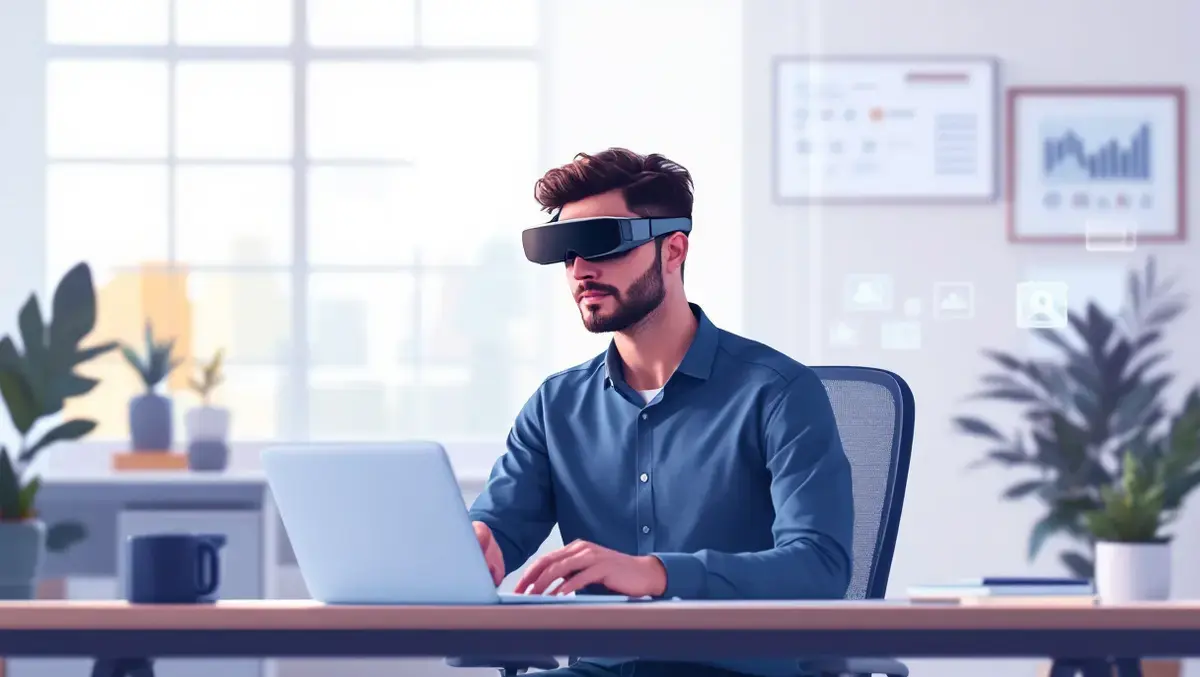
XREAL launches AURA Android XR glasses for workplaces
Thu, 12th Nov 2026 (Today)
XREAL has launched its AURA wired XR glasses, built on Android XR.
Google said the device is designed for workplace use.
The launch brings a new Android XR device into the business market, with XREAL positioning the glasses as a tool for staff who need to view digital information while staying aware of their physical surroundings. The product is available in the United States, Canada, Japan and South Korea, and is restricted to users aged 18 and over.
AURA uses what Google described as a split-compute architecture for spatial computing on wired glasses. According to XREAL and Google, it includes an optical see-through display with a 70-degree field of view and weighs less than 95 grams.
XREAL and Google are targeting office and industrial use rather than entertainment alone. The glasses support Android apps available through Google Play, including productivity software, and can also connect to a laptop through DisplayPort input, allowing users to bring desktop applications into a spatial workspace.
This setup is intended to let employees run Android apps alongside software from a connected computer. The companies said this could support tasks such as working across virtual monitors, viewing 3D content, overlaying information on physical spaces, and feeding voice-captured information from the field into digital record systems.
Management tools
For corporate IT teams, AURA will be managed through the Android Enterprise framework, which Google has extended to Android XR devices. This means the glasses can sit within the same management structure many organisations already use for other Android hardware.
Management features include Managed Google Play for distributing public and private work apps, Android zero-touch enrollment for remote deployment, and fully managed device mode for setting Wi-Fi and system policies. Google also said the device includes Google Play Protect, verified boot, device encryption, and regular modular security updates through the core Android platform security model.
The framework also includes Device Trust from Android Enterprise, which Google said is designed to secure devices while preserving employee privacy, including when hardware is not fully managed by an employer.
Workplace focus
The companies are presenting the glasses as a way to support workers who need hands-free access to digital tools. Suggested uses include receiving help from remote experts while working on equipment, visualising complex data over physical locations, and designing or simulating products in 3D.
The emphasis on wired hardware marks a different approach from some standalone XR headsets. By using a tethered design and split-compute model, AURA aims to reduce the weight carried on the face while still supporting spatial applications and connections to existing computers.
Google has been expanding Android XR as a platform for both consumer and enterprise devices. By placing AURA under Android Enterprise management, it is trying to make adoption easier for businesses that already deploy Android phones, tablets, and other endpoints with central controls.
The launch also reflects wider interest in wearable devices for work as companies test whether AI tools and spatial interfaces can change how employees interact with software. Rather than replacing laptops or phones, products such as AURA are being introduced as an additional screen and input layer for specific tasks.
XREAL said employees will be able to access enterprise apps out of the box, including titles on the Google Play Store, and connect laptops across platforms directly alongside Android apps through the device's DP-in function.
Google said AURA devices "will be managed through the same framework" used for Android Enterprise.