Carbon emissions stories
The deal with leading vehicle financing platform Splend will see the first 500 of their new electric vehicle fleet arrive on New South Wales roads.
Tech professionals are prioritising sustainability when job hunting, but only 50% feel companies are doing enough, says report.
Greenbox has proven its ESG excellence by diverting 65 million kg of CO2, making it Australia's first carbon-neutral IT Asset Management Company.
Salesforce has introduced the Net Zero Marketplace to make carbon credit purchases simple and transparent, aiming to scale the climate-positive impact.
A new Cushman & Wakefield report is calling for water consumption and carbon emissions to be measured in addition to power usage.
OpenText has announced the launch of the OpenText Zero-In Initiative, the company's guiding framework to achieving global impact goals.
Lenovo has announced the rollout of a new, first-of-its-kind CO2 Offset Service for SMBs across Australia and New Zealand.
Eco Benefits is a suite of sustainability-focused solutions that will help Visa cardholders better understand the environmental impact of their payments.
Nikki Morcom hired as new Global Talent Acquisition & Culture VP to drive global hiring and diversity strategy at SmartBear.
Passengers could miss out unless new inter-regional rail is funded sustainably, as Infrastructure New Zealand urges a focus on maintenance and existing metro upgrades.
Passengers across New Zealand will eventually tap cards and mobile wallets on buses, trains and ferries, but the rollout is not due until 2026.
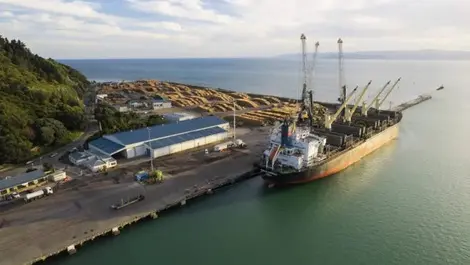
An alternative deck-on-pile design for Eastland Port's Wharf 7 has cut new piles by half and avoided 593 tonnes of carbon dioxide.
Tech firms are warning that rising demand for cloud services will worsen New Zealand’s shortage of skilled IT staff as hyperscale centres expand.
The new medium-voltage switchgear uses pure air and vacuum interruption, completely avoiding SF6 greenhouse gas.
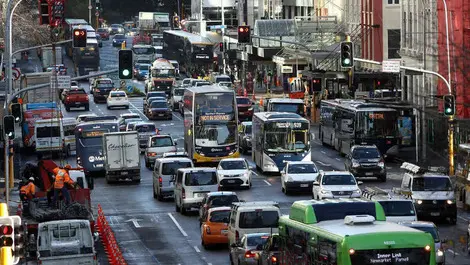
A High Court ruling has deepened fears Auckland Council’s climate plan may be sidelined as transport decisions cut emissions far too slowly.
The Toitū net carbonzero certification involved working with Toitū Envirocare to measure carbon emissions, setting mitigation and reduction targets.
Granted exclusively for native forest, Native CCUs are the first voluntary carbon credits of their kind available in New Zealand.
The new Auckland facility could cut New Zealand construction emissions by about 78,000 tonnes of CO2 a year, Holcim says.
Contaminated waste has long made the plastic hard to handle, but new chemical recycling plants are turning post-use polystyrene back into feedstock.
Infrastructure firms face growing pressure to prove climate and social value as stimulus spending, disclosures and stakeholder scrutiny intensify.










.webp)