Skills shortage stories
Security and data privacy are slowing wider use, even as 70% of Indian banks and lenders run artificial intelligence in production.
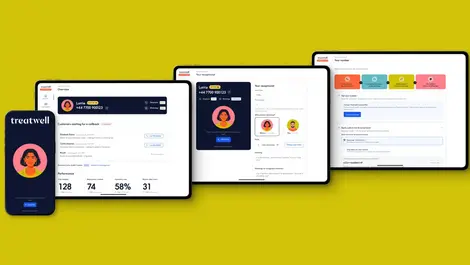
Missed calls and admin could cost salons bookings, as Treatwell rolls out an AI receptionist that answers queries and manages diaries across Europe.
Smaller firms face mounting pressure to prove cyber compliance as Pistachio adds Hugin's technology to reach audit-ready customers across Europe.
Security teams can now trace how one weak point becomes a full breach path as Filigran automates multi-step testing in OpenAEV v3.
Labour shortages are leaving Australian companies unable to fill critical roles, with one in three reporting poorer service and 32% losing customers.
The agreement will see Fabric train its engineers as Australia becomes a proving ground for SpaceXAI's push into enterprise software teams.
Employers' AI investment is outpacing retraining, prompting Lumify to expand its leadership as it targets the workforce skills gap.
AI-enabled attacks have surged 89% year on year, prompting Fujitsu to shift customers towards continuous cyber resilience and faster threat response.
With women still only 17% of cyber workers in the UK and Australia, executives warn AI could deepen security blind spots unless talent widens.
Australian employers are losing customers and delaying contracts as skilled vacancies linger for weeks, a survey of 214 firms found.
With women at just 17% of Australia's cyber workforce, leaders warn AI could widen shortages unless firms widen recruitment.
AI-driven cyber threats are sharpening the talent crunch, as women still account for just 22% of the global workforce.
Customers and suppliers are feeling the effect as Logicalis lifts renewable power use and raises community funding in FY26.
A widening talent shortage and AI-driven threats are forcing security firms to treat more women in the field as a business priority.
The tie-up gives enterprise and government clients deeper testing coverage as AI reshapes offensive security and demand for specialists grows.
Scope 1 and 2 emissions fell 34% from Logicalis's FY22 baseline, while renewable electricity use rose and supplier climate pledges advanced.
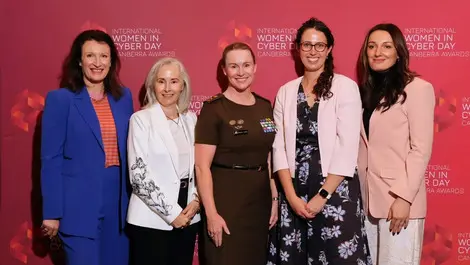
Skills shortages in Canberra's cyber sector are being tackled through awards for women, mentors and employers boosting inclusion.
Productivity gains are being left on the table as businesses adopt artificial intelligence too slowly and without the skills or strategy to scale it.
Higher online shopping demand will see Amazon Australia add 3,000 seasonal jobs nationwide, with most openings in New South Wales.
More than a third of Australian employers have lost customers or cut service quality as hiring gaps force them to turn work away.