Social Engineering stories
Rising phishing, ransomware and AI misuse are leaving organisations exposed, with weekly attacks up 22% from a year earlier.
Defenders now have minutes, not hours, as attackers use agentic AI to automate credential theft, scanning and extortion across live operations.
Attackers are compressing intrusions into hours, leaving defenders less time to spot and stop credential-harvesting campaigns.
Scammers are draining older adults' savings through romance, friendship and fake AI trading pitches on social media before withdrawals are blocked.
Smaller firms face mounting pressure to prove cyber compliance as Pistachio adds Hugin's technology to reach audit-ready customers across Europe.
Fraudsters are timing texts for lunch and Fridays, as MrBeast led impersonation scams in Malwarebytes' three-month global study.
Security teams can now trace how one weak point becomes a full breach path as Filigran automates multi-step testing in OpenAEV v3.
Trusted employees and AI agents are now seen as prime insider risks, with deepfake fraud and hidden access gaps worsening the threat.
Victims risked silent compromise as attackers hid SparkRAT inside Cambodian-themed files and disabled security tools with a vulnerable driver.
Britons aged 25 to 34 are three times as likely as over-65s to fall victim, with social media and AI worsening scams.
Many firms lack the capacity to fix existing flaws fast enough, leaving them exposed as AI-generated attacks scale up, experts warn.
Rising AI-driven phishing attacks are pushing ANZ organisations towards post-perimeter defences, as Netpoleon widens Cofense access through its channel network.
For Google Workspace users, the new Defend release adds phishing detection, AI verdicts and employee coaching against business email compromise.
Diverse leadership is becoming a business necessity as cyber firms face a global talent shortage, rising AI threats and sharper risk decisions.
Broader fraud detection could help agencies and brands spot scams sooner as telecom and internet signals are linked across services.
Most of Southeast Asia's biggest firms still leave customers exposed to spoofed emails, with only 17% enforcing the strictest DMARC setting.
The fake acquisition pitch pushed an Avast employee towards a EUR €626,735.45 wire, exposing a broader impersonation scam across several industries.
Schools and public bodies face fresh pressure to protect records after a Department for Education breach exposed more than 600,000 files.
Victims are being left to fend for themselves as fraud becomes industrialised, with many still blaming themselves after scams.
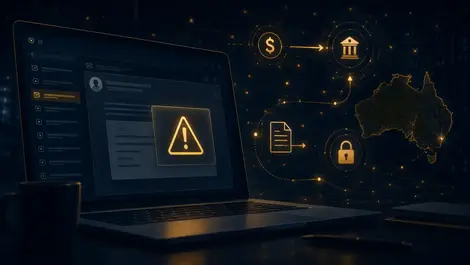
Australian firms are being urged to tighten payment checks as email impersonation scams drive AUD $166.8 million in losses.