

Cybersecurity becomes core for healthcare & finance in India
Wed, 29th Oct 2025
Perspectives from leaders in healthcare and financial services highlight the evolving challenges and responsibilities in cybersecurity as digital transformation accelerates across sectors in India.
Healthcare concerns
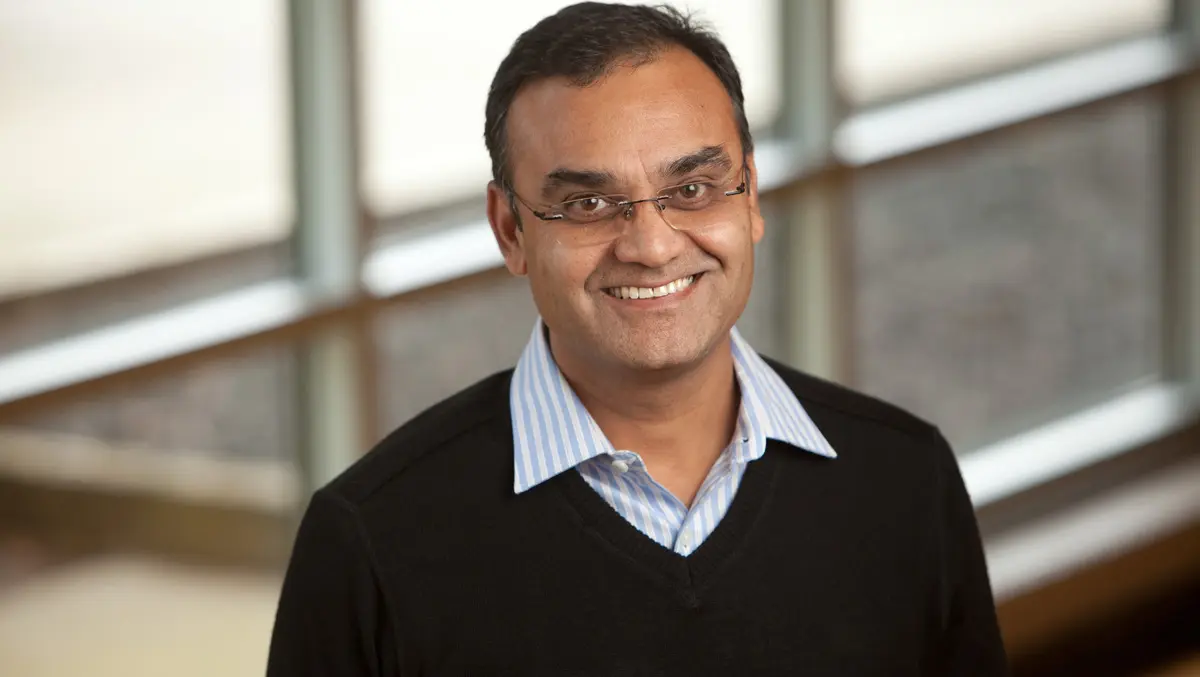
In the healthcare sector, the adoption of new technologies has driven an increased focus on security and the risks associated with digital innovation. Arvind Vaishnav, Head of Philips Innovation Campus, addressed how advancements such as cloud solutions, artificial intelligence-powered diagnostics, and Internet of Things-enabled medical devices are changing the cybersecurity landscape.
"As India's healthcare sector embraces digital transformation, from cloud solutions and AI-powered diagnostics to IoT-enabled medical devices, we must recognize that innovation also brings new cybersecurity risks. Patient data is one of the most valuable assets in today's digital economy, and the increasing interconnectivity of healthcare systems makes the sector a prime target for cyberattacks. A single breach can disrupt hospital operations, attract regulatory fines, erode public trust and most importantly compromise patient safety."
At Philips, are committed to ensuring that cybersecurity is not just a technical requirement, it's a foundation of patient safety and digital trust. We embed security at every stage of product design and deployment, conducting proactive risk assessments, and fostering a culture of awareness across teams to enhance organizational resilience. As we continue to innovate for better health outcomes, our commitment to data protection and secure digital ecosystems remains unwavering. Building a secure healthcare future requires collective responsibility, and cybersecurity must be at the core of every innovation journey."
Vaishnav's comments highlight patient data as a key asset and the need to secure it throughout the process, from development to operational deployment. He warns that a single cyber incident can have significant repercussions, not only affecting day-to-day hospital operations but also regulatory compliance and patient trust.
The increasing complexity of healthcare infrastructure, with interconnected medical devices and platforms, has heightened the urgency for robust cybersecurity frameworks. Organisations such as Philips emphasise risk assessments and ongoing staff training as part of broader strategies for resilience and safety.
Financial services focus
In the financial sector, the shift to instant payments, open banking and greater third-party integration presents new security priorities. Sameer Goyal, Senior Director at Acuity Knowledge Partners, highlighted the challenges and responsibilities arising from India's expanding digital financial ecosystem.
"October's Cybersecurity Awareness Month is a timely reminder that security is not optional, it's foundational. India's digital ecosystem, particularly banking, now operates in a real-time, API-driven world of instant payments, open platforms, and expanding third-party integrations. This interconnectedness widens the attack surface, with threats such as account takeover, API abuse, ransomware, and deepfake-enabled fraud. The mandate is clear: protect customer trust while enabling seamless digital experiences."
"I strongly believe - 'In digital life, trust is our currency. By pairing zero-trust architecture with AI-driven analytics, we're turning cybersecurity from a compliance checkbox into a competitive advantage.' Leaders are responding on three fronts. First, zero-trust, identity-first architecture ensures continuous verification of users, devices, and workloads thus reducing lateral movement and limiting impact."
"Second, AI-assisted detection and response enhance security operations with behavioral analytics that surface anomalies across payments, channels, and partners in real time. Third, secure-by-design engineering for APIs and data i.e., incorporating strong authentication, fine-grained authorization, encryption, and robust third-party risk controls helps fortify the ecosystem from within."
"Yet technology alone isn't enough. Continuous employee awareness, resilience playbooks, and red- and purple-team exercises ensure preparedness, if an incident does occur. Institutions that embed a culture of security can innovate confidently while meeting customer and regulatory expectations."
Goyal's perspective signals that with interconnected platforms comes a broader attack surface, and banks must remain alert to evolving tactics such as API abuse, ransomware, and sophisticated fraud involving deepfakes. According to Goyal, solutions should combine technology and culture, advocating for zero-trust models, artificial intelligence for anomaly detection, and secure application development backed by robust controls on third parties.
The comments also point to ongoing employee training and operational readiness as vital complements to technological defences. Security preparation, from awareness to simulation exercises, is crucial to maintaining resilient operations and continuing customer trust in digital services.
Both spokespeople agree that, in their sectors, cybersecurity is no longer just a technical consideration but a foundational aspect of overall business resilience and trust. Effective cybersecurity requires both advanced technological solutions and a sustained organisational commitment to awareness and cultural change.