Digital Literacy stories
The new facility will give girls at a Colombo school better access to laptops, STEM lessons and hands-on digital learning.
Organisations preparing October training will get new materials on phishing, deepfakes and reporting from a free package aimed at staff awareness.
Employers now face proof-of-training checks as Ireland's AI Office enforces EU rules on staff using artificial intelligence at work.
Australians are losing billions as AI-driven fraud pushes banks, telcos and platforms to share scam data faster and stop payments earlier.
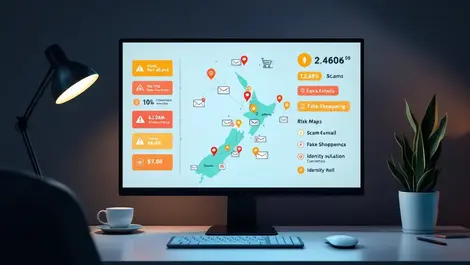
Consumers can now track scams, identity risks and cyber threats by country through a new global index that monitors daily changes across 245 countries and territories.
Automated requests now make up most web traffic, raising costs for sites and sharpening fears over AI-driven fraud and phishing.
Businesses risk weaker AI returns unless staff retain control over high-risk decisions, SAS says, as agentic tools spread.
Australians risk giving AI agents broad access to emails, calendars and accounts, opening the door to scams and misuse.
Australian workers with digital skills can command pay rises of up to 26% as employers demand them in nearly nine in 10 job ads.
Indonesia's digital skills gap is fuelling demand for practical cyber and AI training, as firms struggle to hire workers.
Students will learn to work with AI tools across multiple industries as New Zealand broadens senior secondary options to match labour-market demand.
New Zealand's tech growth is being constrained by a deepening talent shortage, with firms struggling to fill AI, cyber and cloud roles.
Fewer than half of people globally trust AI, putting customer adoption and revenue at risk unless firms explain how systems make decisions.
Malware and phishing risks are rising for UK employers as many staff use company smartphones to access illegal streams, a survey finds.
Employer demand for AI know-how is rising fast, with vacancies paying 34% more and formal qualifications losing sway in hiring.
A recent government breach has exposed a wider gap in cyber awareness, with stolen personal data sold online for as little as GBP £5.
Trust in digital messages is fraying, with 46% of UK adults doubting whether an email or text was genuine, according to new research.
Demand for night-time internet limits is growing as ministers prepare tighter controls for teenagers and more adults seek help with screen time.
More than a third of UK parents say children are using AI for conversation or emotional support, raising fears over online safety.
Many parents are unsure their children can tell AI-generated fakes from real content, with concerns also rising over grooming and sextortion.